


Authentic Global Flavors: Why Getting It Right Matters
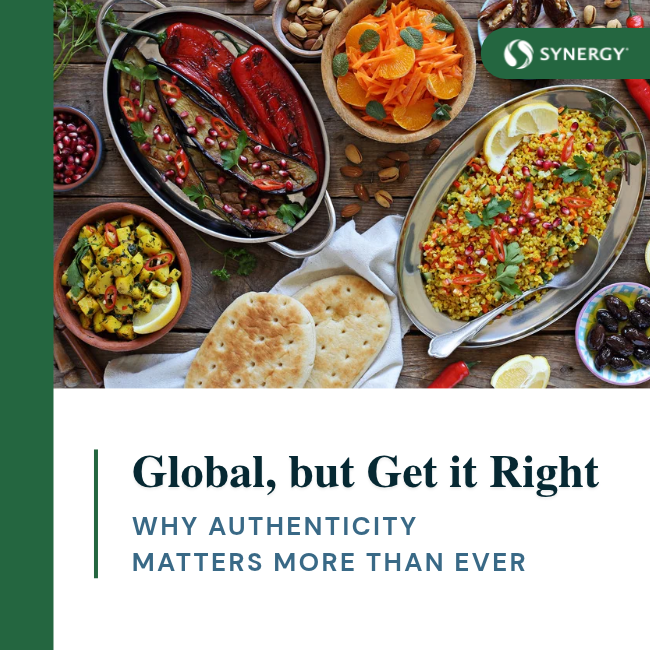
Consumers have never had more exposure to global flavors. Social media, travel, restaurant innovation and cultural exchange have introduced people to cuisines, ingredients and culinary traditions from around the world. Yet as access expands, consumer expectations are becoming more sophisticated.
People are no longer satisfied with broad references to global cuisine. They want products that feel authentic, specific and rooted in real culinary traditions. From regional Mexican dishes to specialty Asian ingredients and traditional spice blends, consumers are increasingly looking for experiences that feel genuine rather than generalized.
This growing demand is creating new opportunities for food and beverage brands, but success depends on getting the details right. The next trend in our Flavor Without Compromise series is Global, but Get it Right.
Consumers Are Moving Beyond Generic Global Flavors
For years, simply labeling something as “Asian-inspired,” “Latin-inspired” or “Mediterranean-inspired” was enough to generate interest. Today’s consumers are taking a deeper approach to discovery.
Rather than broad cuisine categories, consumers are becoming familiar with specific ingredients, regional specialties and authentic preparation styles. Matcha, yuzu, ube and chai have evolved from niche discoveries into recognizable flavor cues that signal authenticity and culinary credibility.
Global inspiration is no longer about introducing something unfamiliar. It is about helping consumers understand where flavors come from and why they matter. This shift creates an important distinction as consumers are willing to experiment, but they expect brands to respect the cultures and traditions behind the flavors they are introducing.
Curiosity is Expanding into Regional Exploration
One of the clearest examples of this trend is the growing interest in highly specific regional cuisines. Mexico City cuisine is gaining significant attention among consumers interested in discovering dishes such as pambazos, huaraches and pulque. Rather than seeking a broad “Mexican flavor,” consumers want to experience the diversity that exists within regions, cities and local food traditions.
The same pattern is emerging across global cuisines. Consumers increasingly recognize that cuisines are not monolithic. Korean flavors differ from Japanese flavors. Northern Indian cuisine differs from Southern Indian cuisine. Regional nuances create opportunities for new flavor stories and more meaningful connections with consumers.
For brands, this means moving beyond simplified global references and embracing the rich diversity that exists within culinary traditions.
Familiar Ingredients Become Gateways to Discovery
While consumer curiosity is growing, familiarity still plays an important role. Many successful global flavors gain momentum because they provide an accessible entry point into a broader cuisine. Ingredients such as matcha, chai, ube and yuzu introduce consumers to global traditions through products that feel approachable and easy to understand.
This balance between discovery and familiarity creates an effective innovation strategy. Consumers may not know every regional specialty, but they are often willing to try something new when it is anchored by a recognizable ingredient, format or flavor expectation.
Authenticity Extends Beyond Ingredients
Authenticity encompasses much more than ingredient selection. Flavor balance, preparation methods, texture and usage occasions all contribute to how consumers perceive a product.
Consumers increasingly recognize when a flavor feels disconnected from its cultural origins. As a result, brands that invest in understanding traditional flavor profiles and culinary practices are better positioned to build credibility.
This is especially important as social media creates greater visibility into global food culture. Consumers have more opportunities than ever to learn directly from chefs, creators and communities that represent authentic culinary traditions. The result is a marketplace where authenticity becomes a competitive advantage.
What This Means for Food and Beverage Innovation
The most successful global flavor innovations will combine authenticity with accessibility.
That may mean highlighting regional ingredients, introducing consumers to emerging spice blends, showcasing traditional preparation techniques or creating flavor combinations that honor their culinary origins. It also means avoiding shortcuts that oversimplify complex food cultures.
Global flavors remain one of the most exciting opportunities in food and beverage. But as consumer knowledge grows, brands must move beyond inspiration and deliver experiences that reflect genuine understanding.
Consumers are not simply looking for global flavors. They are looking for global flavors done right.
Turning Global Insights into Innovation Opportunities
At Synergy, our insights team helps food and beverage brands identify emerging cuisines, understand evolving consumer preferences and translate authentic culinary inspiration into commercially successful products. By combining consumer insights, culinary expertise and flavor innovation, we help brands create global flavor experiences that resonate with today’s increasingly sophisticated consumers.
Ready to explore where global flavor innovation is headed next? Connect with us to schedule a Flavor Without Compromise presentation and discover how emerging global trends can inspire your next product launch.
insights